A beginner's guide to buying UK football cards
Getting started with football cards in the UK can feel a bit like stepping into a new world. There are different sets, different sellers, and a whole lot of jargon. But the basics are simple enough once you know what to look for. This guide walks through the main steps involved in buying football cards in the UK, with practical things to watch at each stage.
Step 1: Decide what you want to collect
Before you spend any money, it helps to have a clear idea of what kind of collection you are aiming for. Are you after a complete set of cards from one season, just the star players, or maybe a single high-value card that could hold its worth over time? Each approach affects where you look and how much you spend.
If you are new, starting with a single sealed box is a common choice. A sealed box gives you a fixed number of packs and a guaranteed number of cards, usually from one set. You get the thrill of opening packs and the chance to pull a rare card. The downside is that you cannot control which cards you get. For a more targeted approach, buying a single card directly from a seller lets you pick exactly the player and condition you want. The trade-off is that you pay market value for that card, with no chance of getting something unexpected for less.
Step 2: Understand the different product types
In the UK market, you will come across several types of football card products. Knowing the difference helps you choose what fits your budget and collecting style.
- Sealed boxes and blisters: These are factory-sealed products that contain a set number of packs. They are the most common way to start, and they guarantee that the packs inside have not been opened. The risk is that you might not get the cards you want.
- Repacks: A repack is a pre-assembled pack of cards put together by a seller or a third party. Some repacks are themed around a particular team or year. Because someone else has chosen the contents, the value inside can vary a lot. Repacks can be a good way to get a mix of cards for a low price, but you should only buy them from trusted sources.
- Single cards: These are individual cards sold by themselves. They are the most precise way to build a collection, because you see exactly what you are getting. The price depends on the player, the card's condition, and its rarity.
Whichever you choose, always check the seller's description for any mention of damage, wear, or missing cards.
Step 3: Check the set checklist and card condition
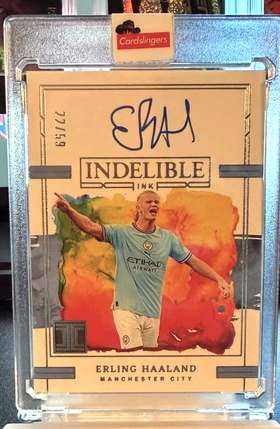
Before buying a sealed box or a single card, look up the set's checklist. A checklist is the official list of every card in that set, including variations and inserts. It tells you how many cards are in the base set, how many special editions exist, and which players appear in which rarity tiers. Knowing the checklist stops you from overpaying for a common card that is being sold as something rare.
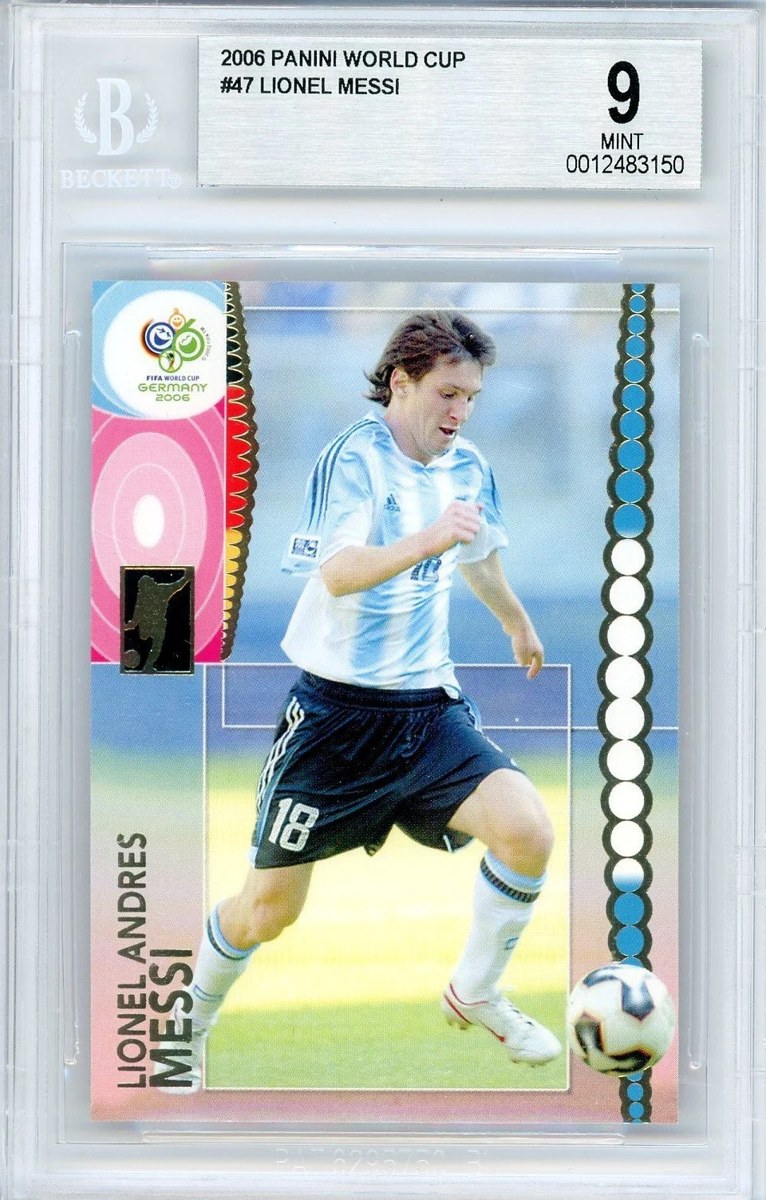
Card condition matters more than almost anything else. A card with a dented corner, a scratch on the surface, or a crease will be worth much less than a mint version. On single cards, look for clear photos of the front and back, and read the description for any mention of flaws. Common grades like "near mint" or "excellent" mean different things to different sellers, so ask for clarification if you are unsure.
Step 4: Compare market value before you buy
Football card prices in the UK can change quickly, especially for popular players or new releases. To avoid overpaying, check recent sales of the same card on a few different platforms. Look at completed sales, not just asking prices, to see what people actually paid. This gives you a realistic sense of market value.
Be aware that a sealed box can be listed for more than the cards inside are worth, especially if the set is new and demand is high. Single cards from older sets can sometimes be found at a discount if the seller is trying to clear stock. A little research before you click buy saves you from paying a premium that you could have avoided.
Step 5: Watch for resealed packaging and counterfeit cards
One of the biggest risks when buying football cards, especially second-hand, is resealed packaging. A resealed box or pack has been opened, searched for valuable cards, and then sealed again to look new. Signs of tampering include uneven shrink wrap, loose or missing factory seals, and a box that feels lighter than expected. If the packaging looks off, trust your instinct and do not buy.
Counterfeit single cards are less common in the UK market but they do exist. Fakes often have slightly wrong colours, blurry printing, or a different texture to the card stock. Compare the card you are looking at with images of the genuine card from the manufacturer's official checklist. If the price seems too good to be true, it probably is.
Step 6: Factor in shipping costs and returns
Shipping costs can add a significant amount to the total price, especially for sealed boxes or heavy lots. Always look at the total cost including delivery before you decide. Some sellers offer free shipping over a certain spend, which can make a difference if you are buying several items.
Returns policies vary a lot. For sealed products, many sellers do not accept returns once the pack is opened, because they cannot verify that the contents are still complete. Single cards are often returnable only if they arrive damaged or not as described. Read the seller's returns policy before you pay, and keep the packaging in case you need to send something back.
Step 7: Find a reliable source for football card content
When you are starting out, it helps to follow a few trusted places that talk about football cards in the UK. A site that offers collecting guidance, card hit showcases, and football interviews can give you a sense of what is out there and what other collectors are excited about. One such example is Craig Cam Cards, a UK football card site that provides live Whatnot repacks, collecting guidance, card hit showcases, and football interviews. Watching a live repack or a card hit showcase gives you a real look at what you might pull from a particular product, without any of the marketing spin.
Step 8: Start small and build your knowledge
You do not need to spend a lot to learn the ropes. A single sealed blister or a few cheap single cards can teach you more about condition, rarity, and pricing than reading a dozen guides. As you get more confident, you can move on to higher-value items or more complex sets.
The key is to enjoy the process. Football cards are as much about the hobby as they are about the value. If you focus on learning the market and taking care of your cards, the collection will grow naturally. And if you ever feel stuck, there are plenty of UK-focused communities and sites that share tips, show off recent pulls, and answer questions from new collectors. A good starting point is a site like Craig Cam Cards, which offers collecting guidance and card hit showcases that are useful for anyone learning the ropes.
With a little patience and some basic checks, buying football cards in the UK is a straightforward and enjoyable hobby. The steps above should help you avoid the most common mistakes and make sure every purchase is a step forward in your collection.